Echoes in the Stucco: Painting the Heavy Heat and History of Mérida, Mexico
In June 2026, I arrived in Mérida, Yucatán, during a period of stifling, inescapable heat. The intense humidity and unrelenting sun slowed time to a crawl, forcing a deliberate, physical pacing that directly shaped my creative process. Amidst this oppressive climate, I immersed myself in the complex layering of Mérida’s past—a city built upon the ancient Maya metropolis of T'ho, where centuries of indigenous heritage and Spanish colonial dominance remain fused together. Walking the streets, I found myself constantly contemplating the stone and stucco walls that define Mérida's urban landscape. I began to ask: What do these walls remember? What have they borne witness to over centuries of resistance, adaptation, and violent transformation?
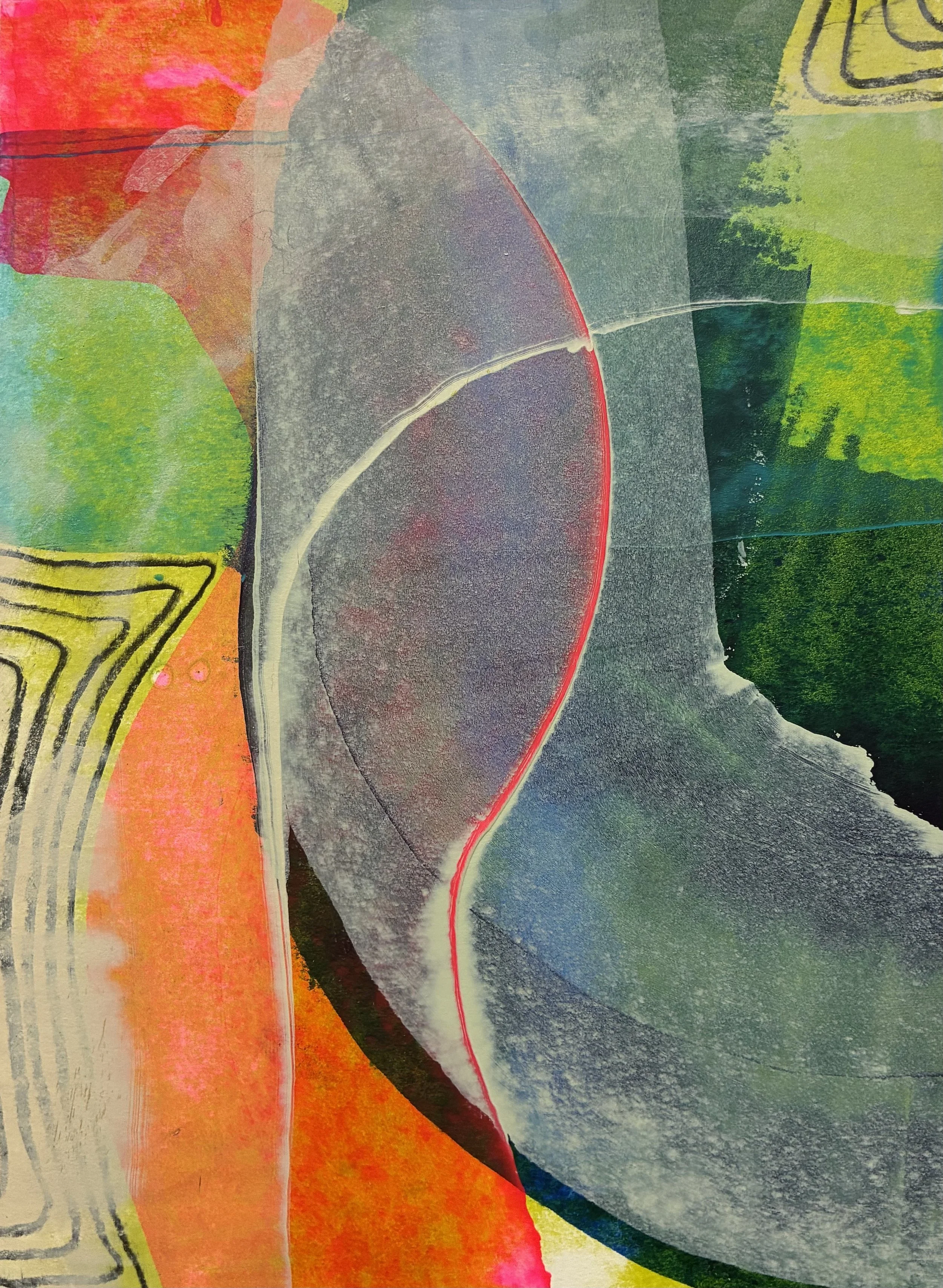
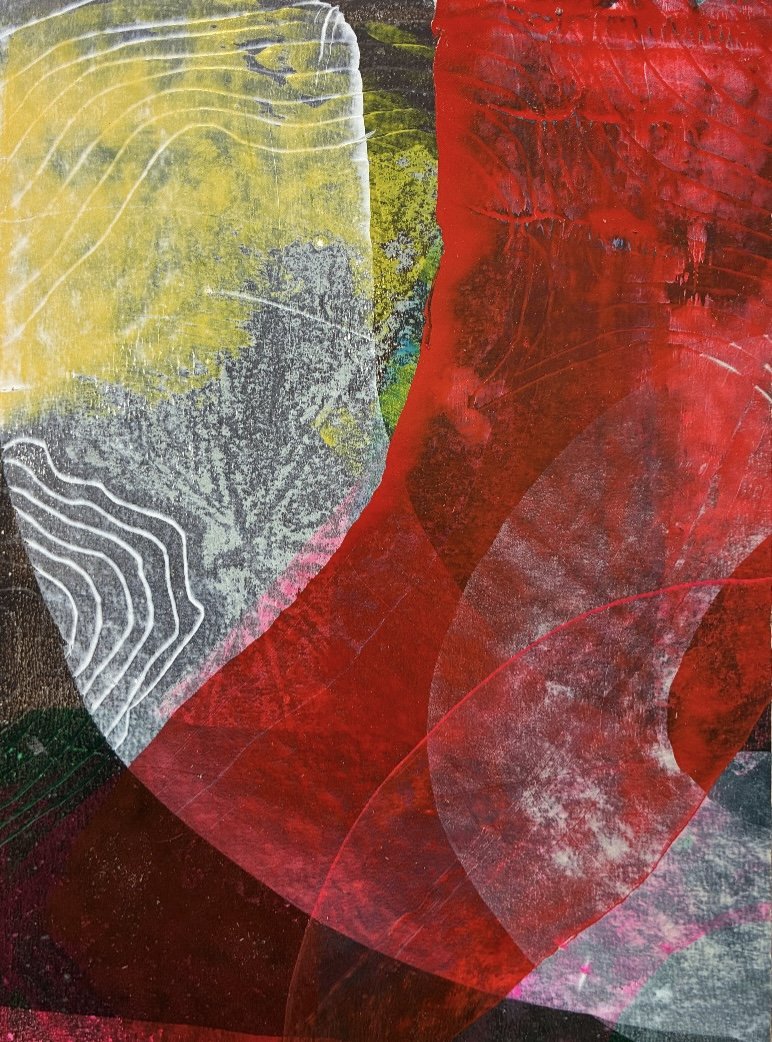
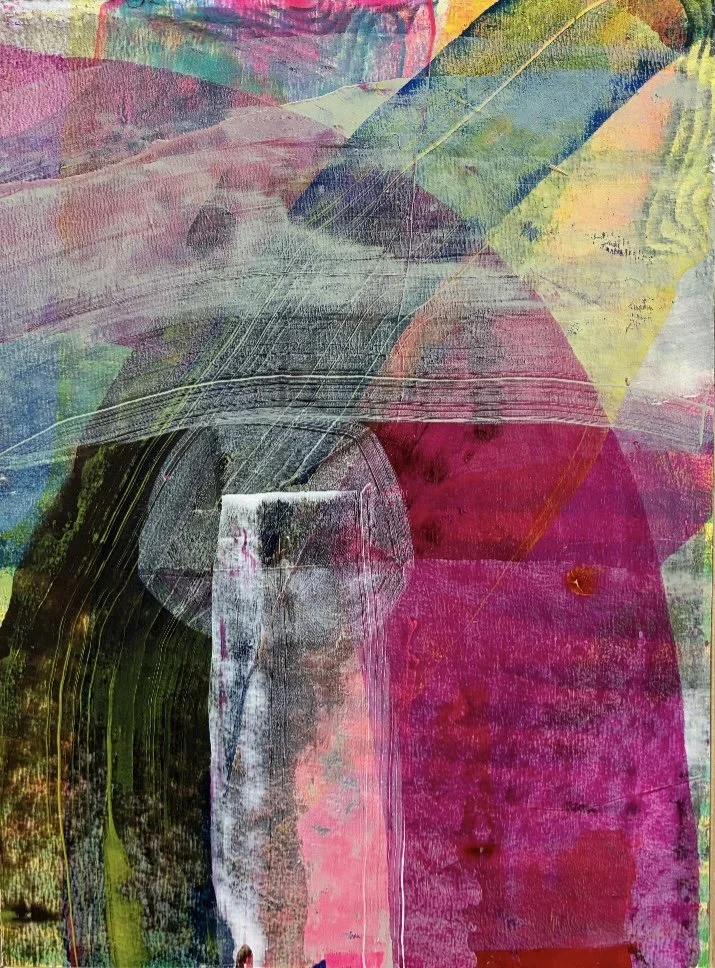
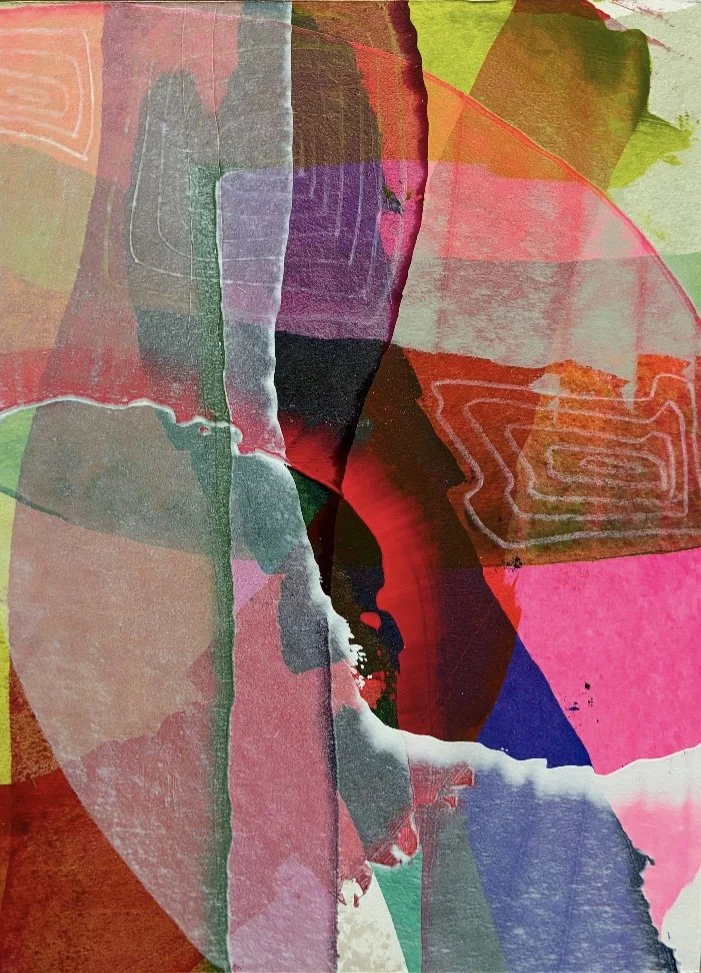
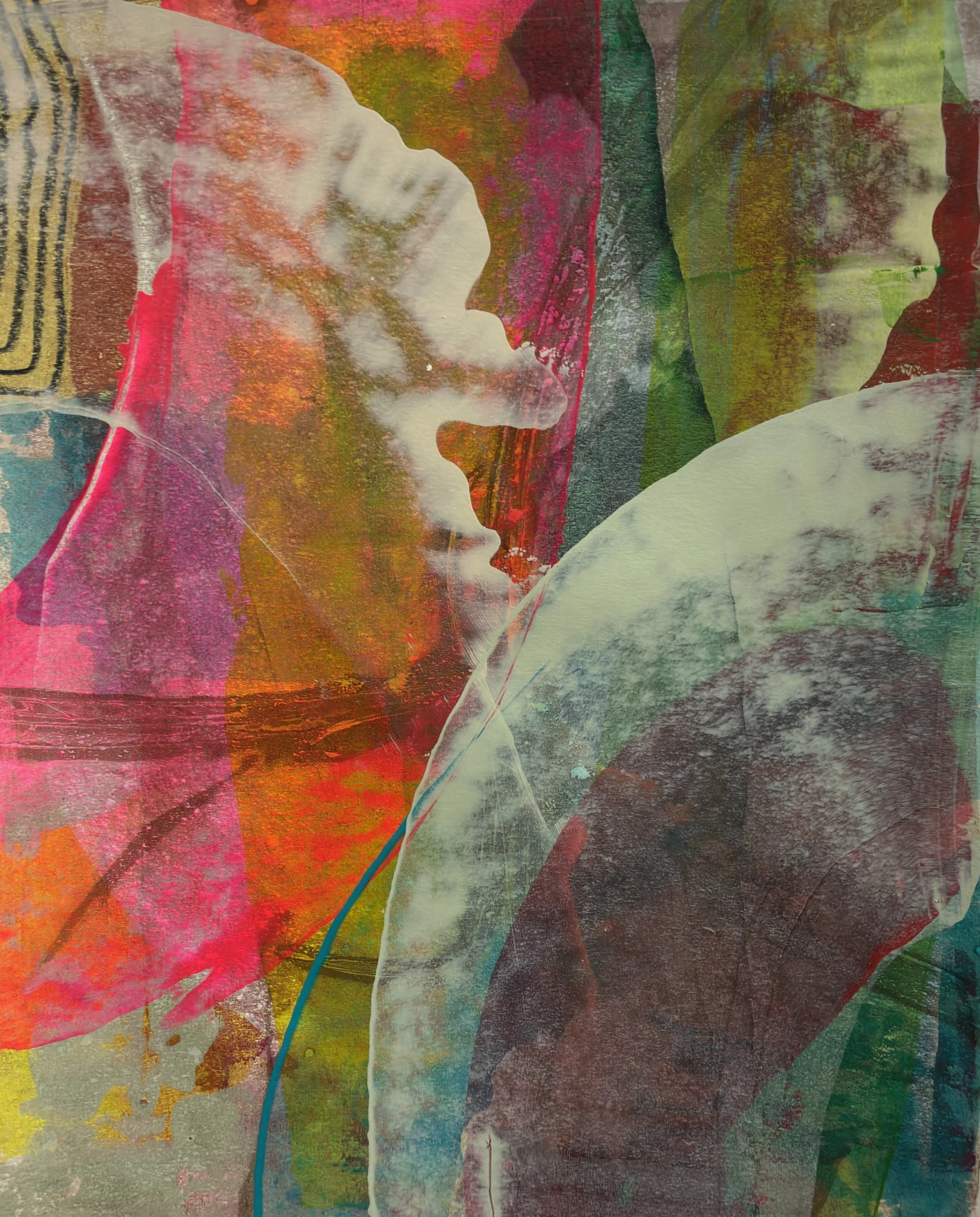
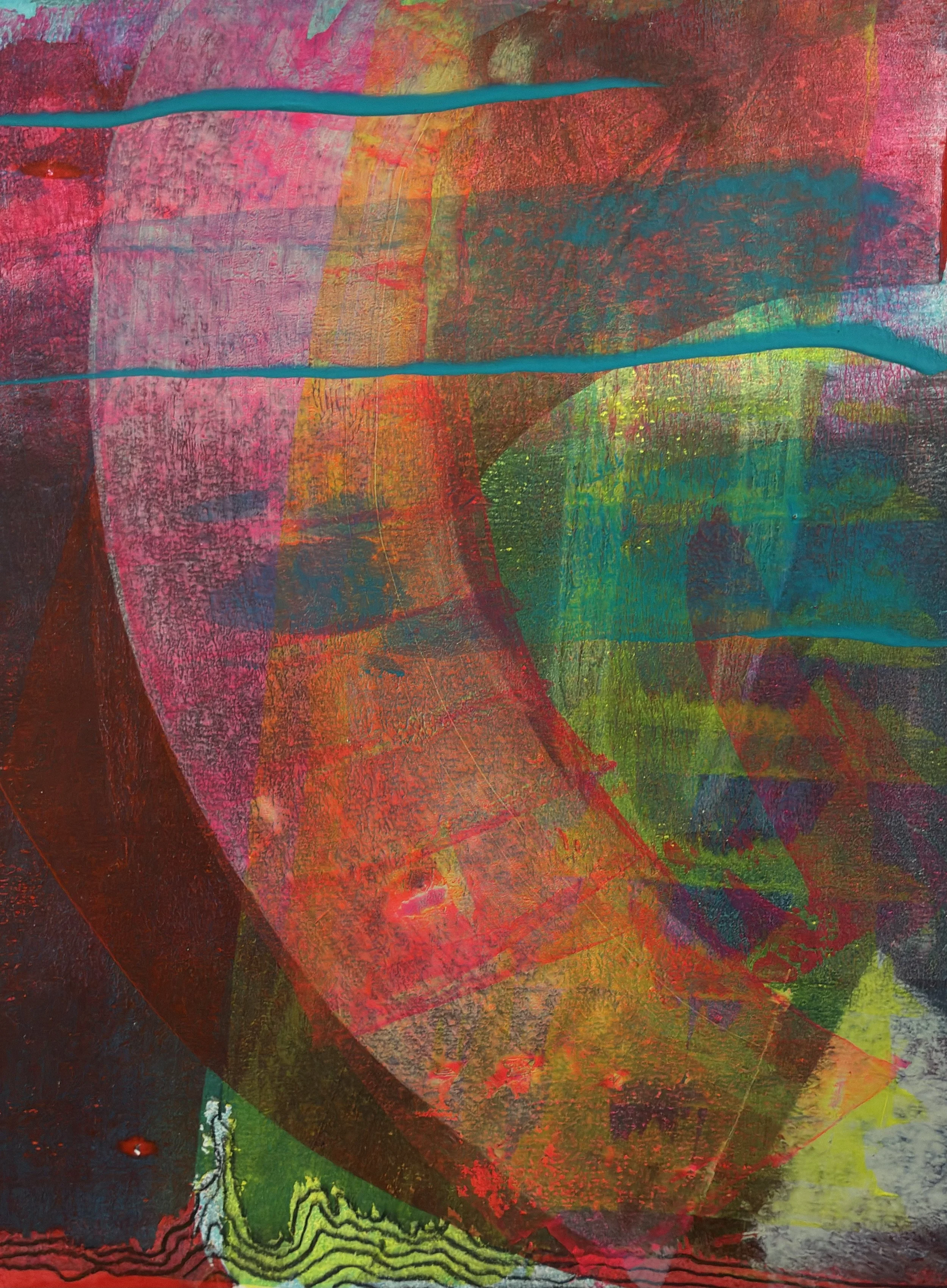
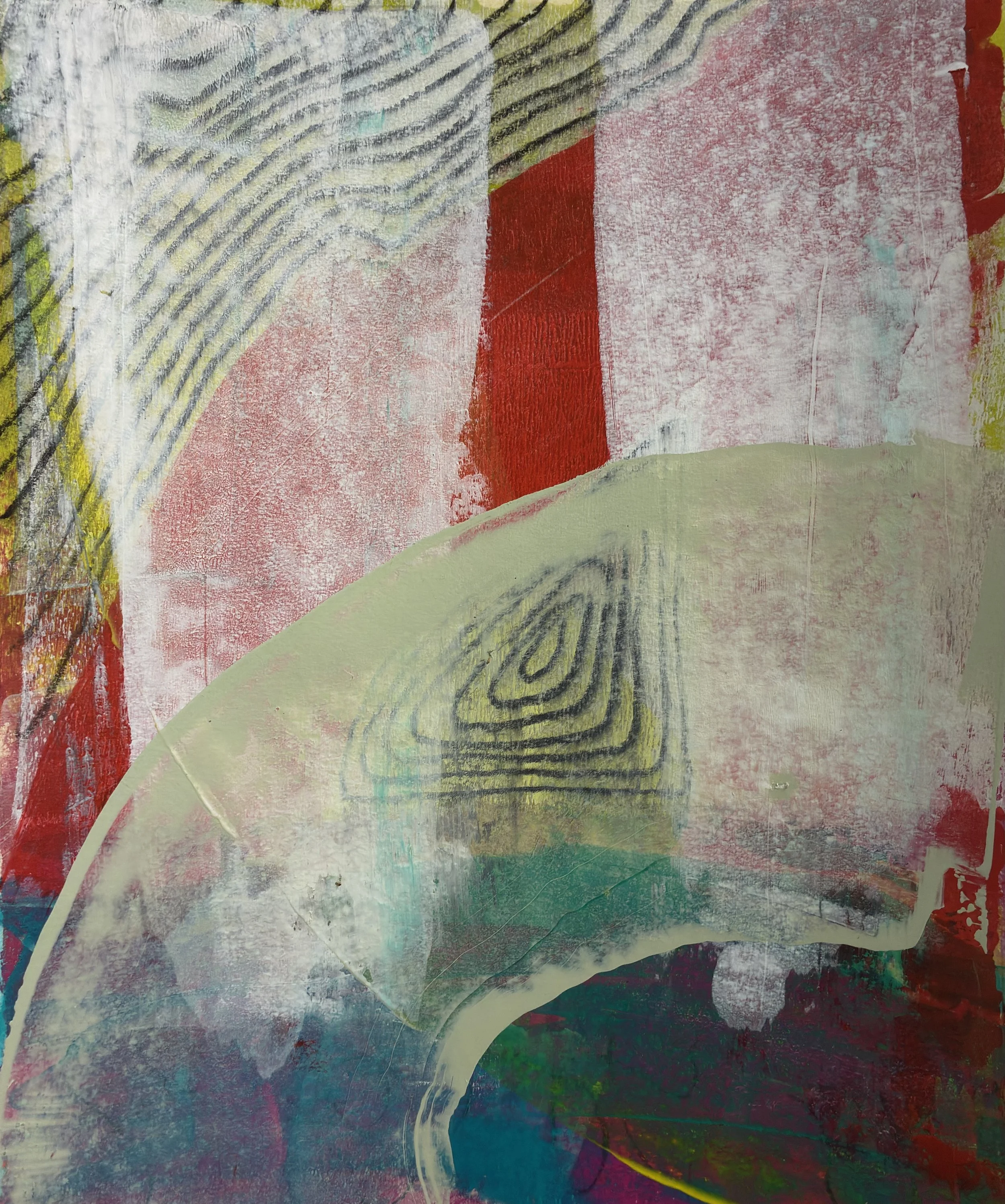
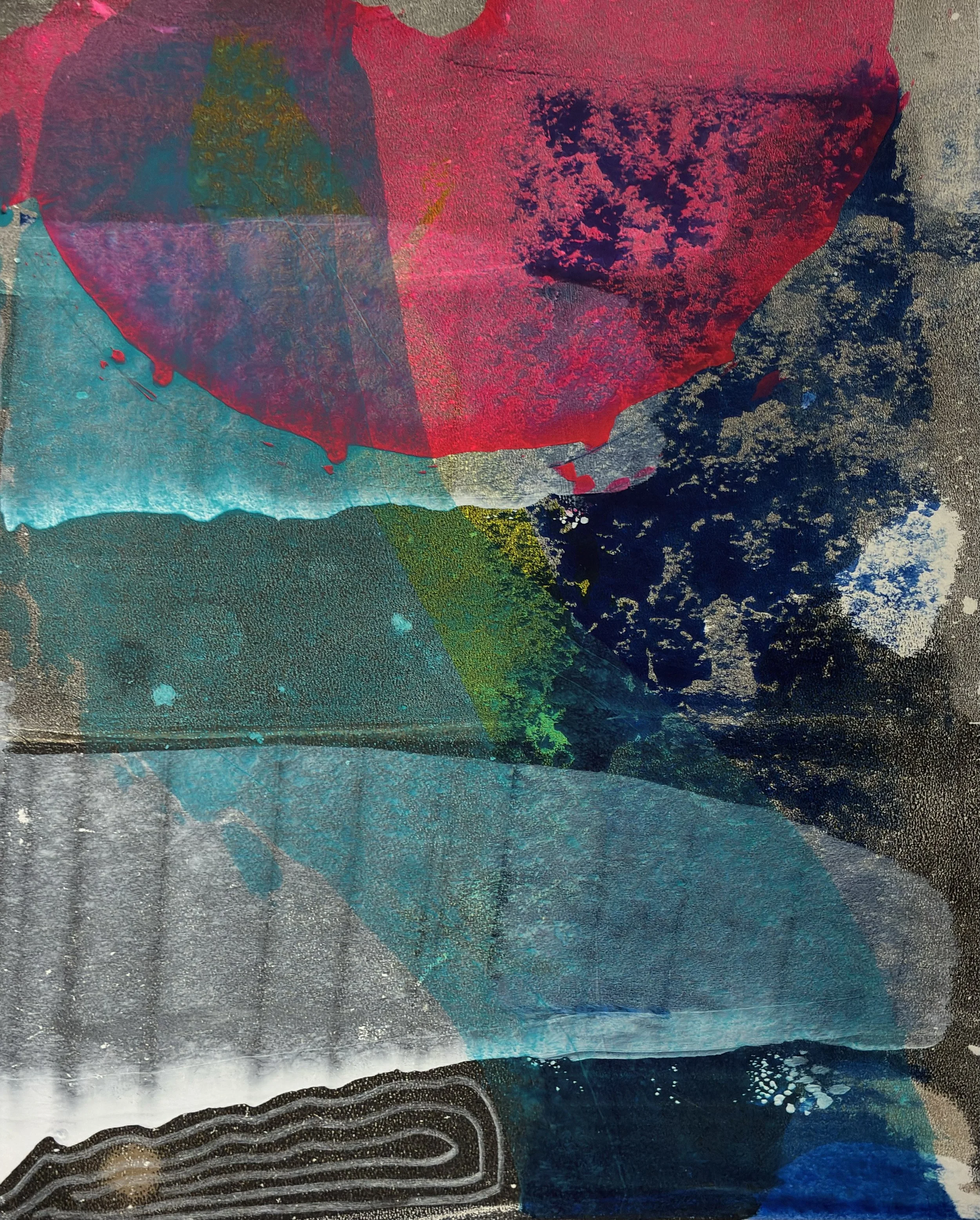
This series of paintings serves as a visual inquiry into the silent memory of Mérida’s architecture. The walls are not merely static structural boundaries; they are living skin, absorbing the tropical heat, weathering generations of tropical storms, and bearing the physical scars of historic friction. Beneath peeling layers of bright limewash lies raw local limestone—the same stone quarried from pre-Hispanic pyramids to construct colonial churches and residences. In these works, I treat the surface of the canvas as a surrogate for those very walls, attempting to record the unspoken histories embedded within them.
Working within the constraints of a travel studio, I operated with a deliberately limited color palette—whatever pigments were immediately at hand. This restriction became a generative boundary, echoing the earthy, sun-bleached tones of the Yucatecan landscape: washed-out ochres, dusty terracottas, calcified whites, and deep, shadowed charcoals. The limited spectrum demanded that texture and gesture do the heavy lifting of narrative and mood.
To build and articulate these surfaces, I relied on two primary tools: charcoal pencils and a simple spatula. The charcoal allowed for precise, delicate linear marks—tracing maps, architectural silhouettes, and fleeting ideas before submerging them under opaque layers. The spatula became an extension of the mason’s trowel, used to scrape, smear, compress, and layer paint onto the surface. Through a cycle of heavy application and aggressive reductive scraping, I exposed hidden strata beneath the top layers, mirroring the natural erosion of Mérida’s stucco surfaces and the unearthing of historical memory
Ultimately, these paintings are an attempt to process the atmospheric and historical weight of a specific time and place. Created in the quiet, sweltering stillness of a Yucatecan summer, they bridge the gap between human history and inanimate material, honoring both the resilience of Indigenous culture and the enduring presence of colonial history recorded within the stones of Mérida.